Operating · The first asset
Satoen Vietnam
A vertically integrated Japanese tea operation on the Vân Hồ–Mộc Châu plateau, Sơn La. Field to finished Matcha under one roof.
Figures are Satoen's company-reported statements; the 1,275 t figure is the labeled calculation of them. Audited numbers arrive with the offering documents.
The investment case
Why this farm makes money.
The value ladder
The same leaf can leave a farm as raw tea, or as finished Matcha at many times the price. Satoen grinds on site, so the crop climbs into its highest-value category before it is ever sold.
Five harvests a year
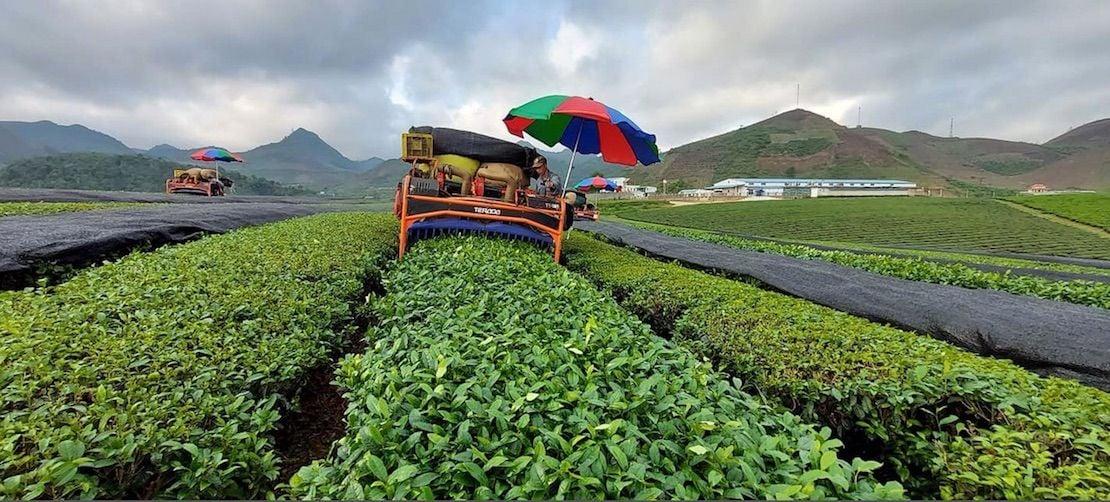
Japanese tea in Japan gives two or three crops. The Vân Hồ plateau supports five, thanks to its altitude, fog and cool air. The same asset simply works more of the calendar.
Field to factory, one site
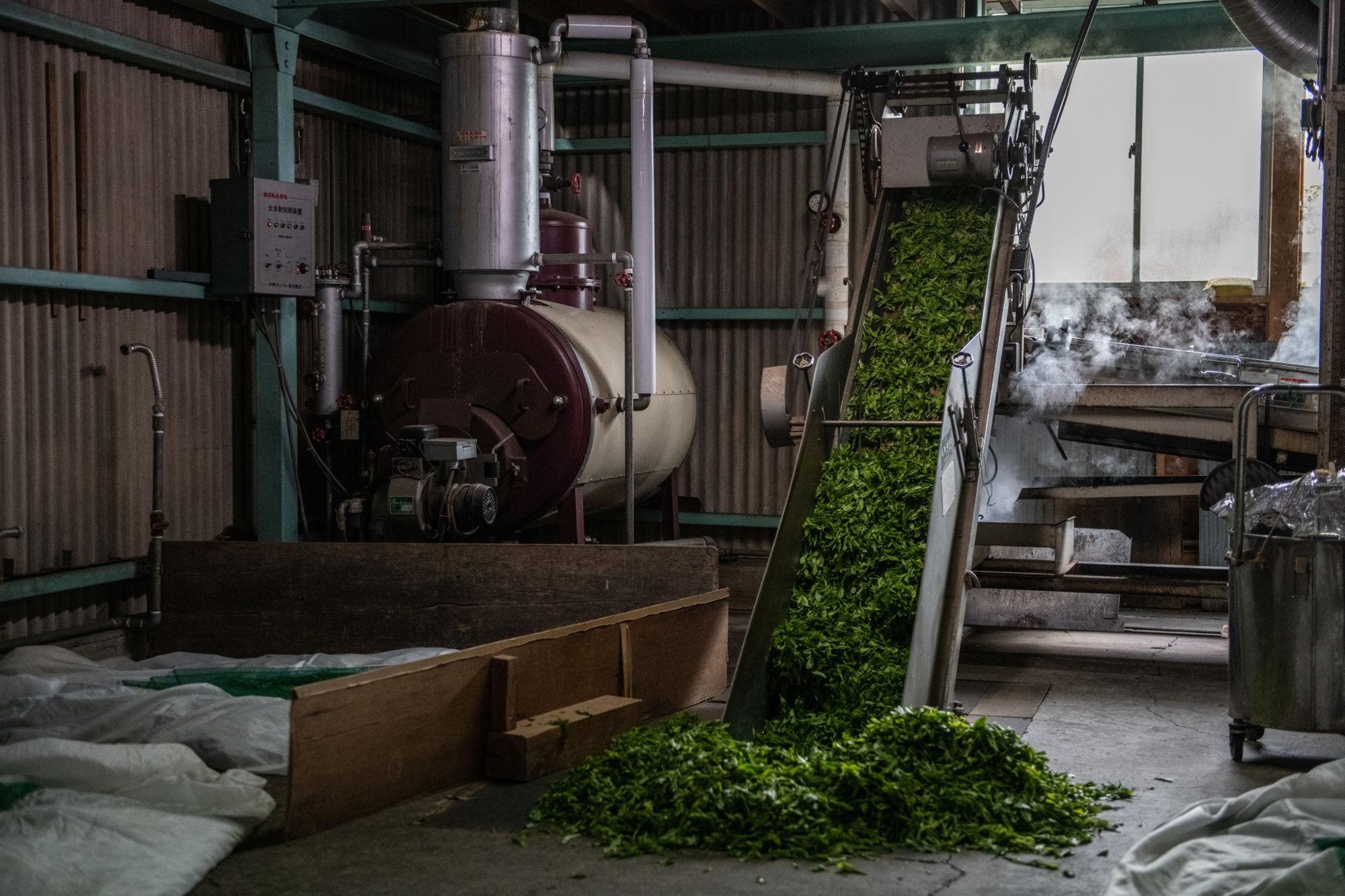
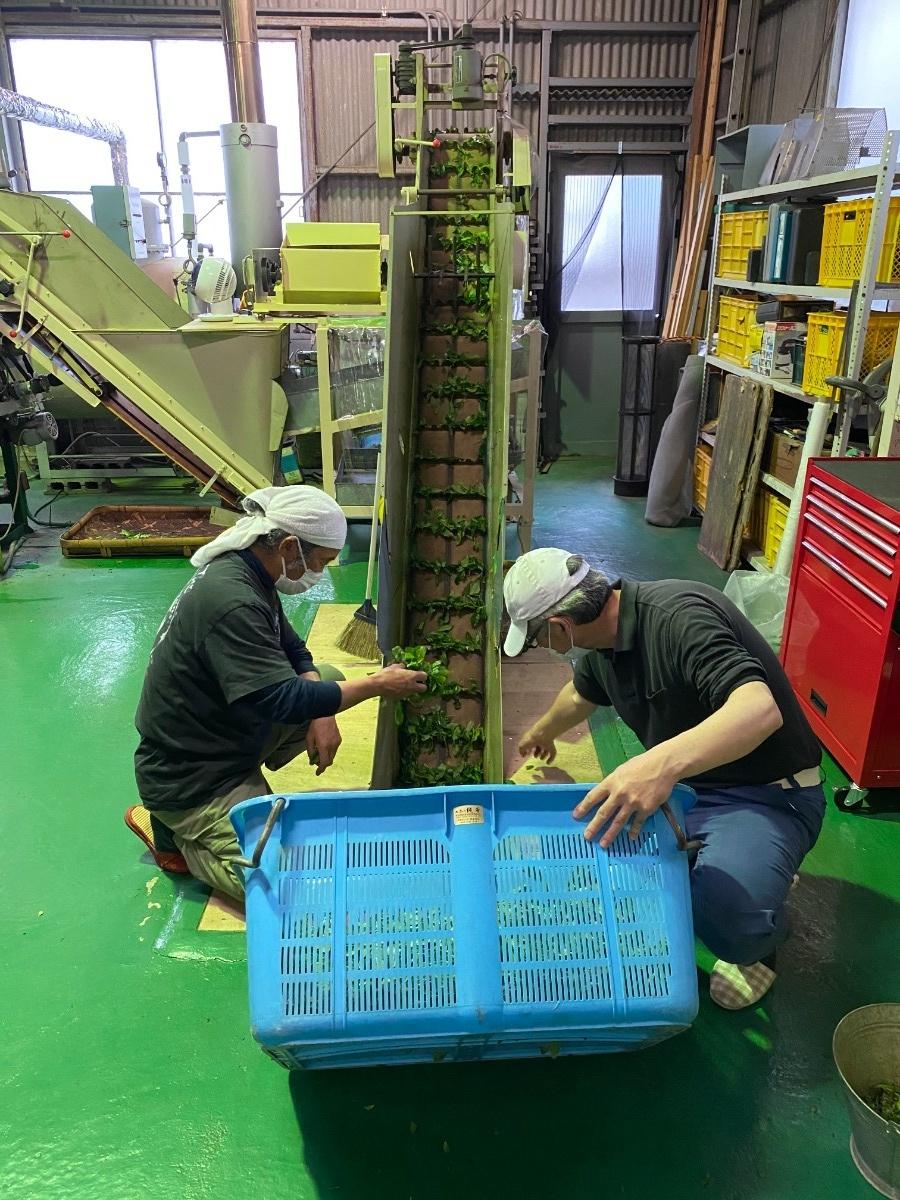
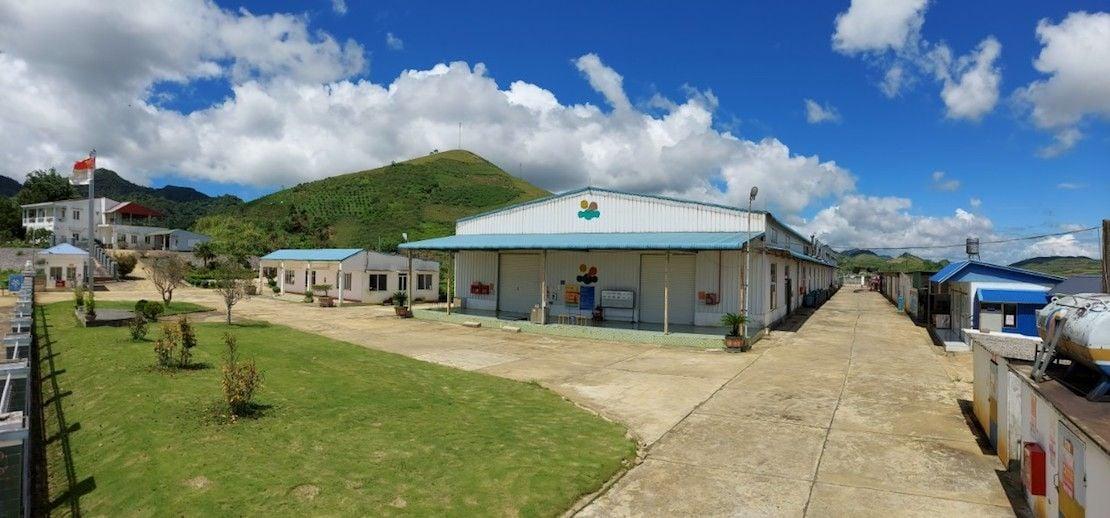
Cultivation, steaming, Tencha, grinding and packaging under one roof. The margin that usually belongs to a chain of middlemen stays inside the operation.
A global sales network
Acquired into the Inabata group in 2025. The Japanese trading house has publicly committed to expanding this tea business across Asia, Europe and North America.
The offering
What you would be investing in.
Not the brand, and not a promise: a security issued by the dedicated vehicle that holds the interest in this farm, with the rights written down before anyone invests.
The operation
Japanese tea, grown in Vietnam.
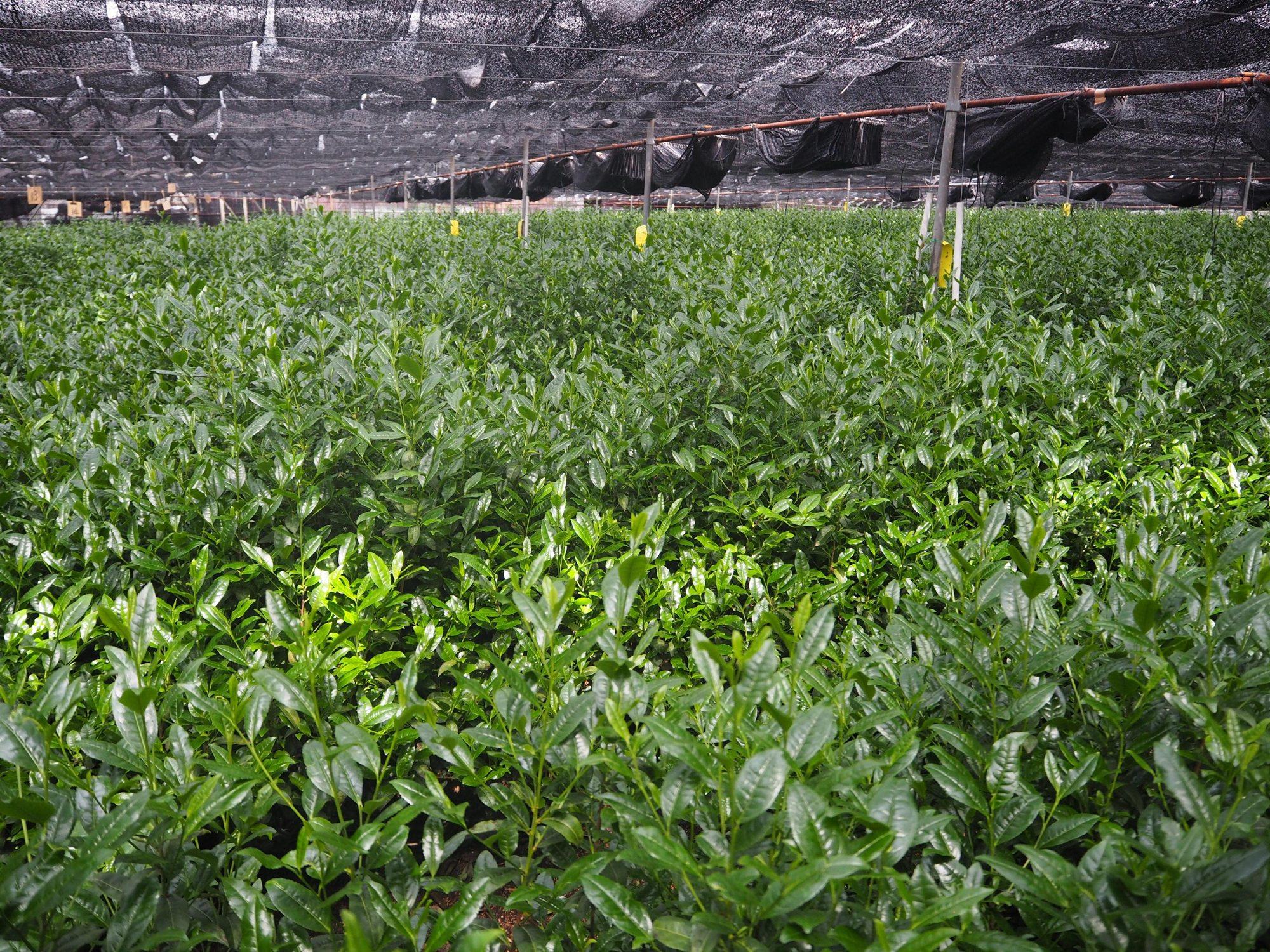
Satoen's tea heritage begins in Japan in 1948. Its agricultural specialists spent more than twenty years studying Vietnam before choosing Vân Hồ: altitude above 1,000 meters, heavy fog, cool air and rich soil. These are Japanese growing conditions at a Vietnamese cost base. The Vietnam company was founded in 2014.
The product list runs from Sencha and Houjicha to finished Matcha, sold to food and beverage businesses, café chains and international partners, including private-label manufacturing. The operation cites GLOBALG.A.P., HACCP and HALAL certifications.
History
Eight decades, two countries.
- 1948Satoen's Japanese tea roots begin.
- 1991Satoen Co., Ltd. established in Japan.
- 2014Satoen Vietnam founded in Vân Hồ, Sơn La, after twenty years of site research.
- 2025Daigo Tsusho, an Inabata group company, acquires Satoen. Global distribution comes attached.
- 2026Inabata reports Satoen contributing to group earnings; overseas expansion named as strategy.
Process
From leaf to Sencha.
- 01CultivationJapanese varieties on the Vân Hồ–Mộc Châu plateau, above 1,000 meters.
- 02HarvestFrom late March; premium material is one bud and three young leaves.
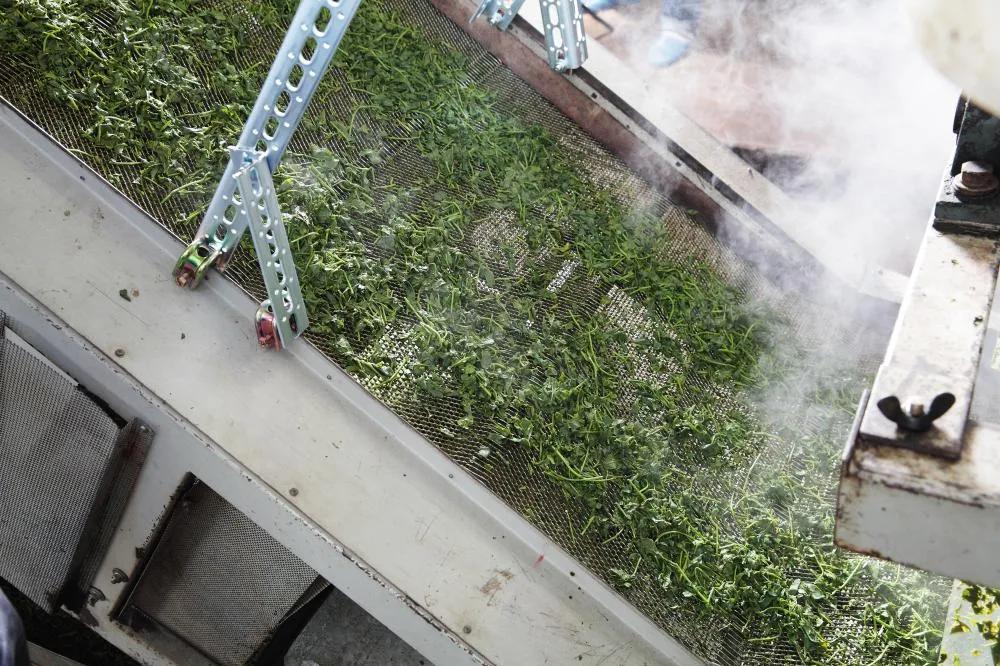
- 03SteamingSeconds of steam stop oxidation. This step defines Japanese green tea.
- 04Rolling and dryingMechanical stages shape the long, thin Sencha leaf.
- 05FinishingSix percent moisture or less, classified, blended and packed to order.
Process
From shade to Matcha.
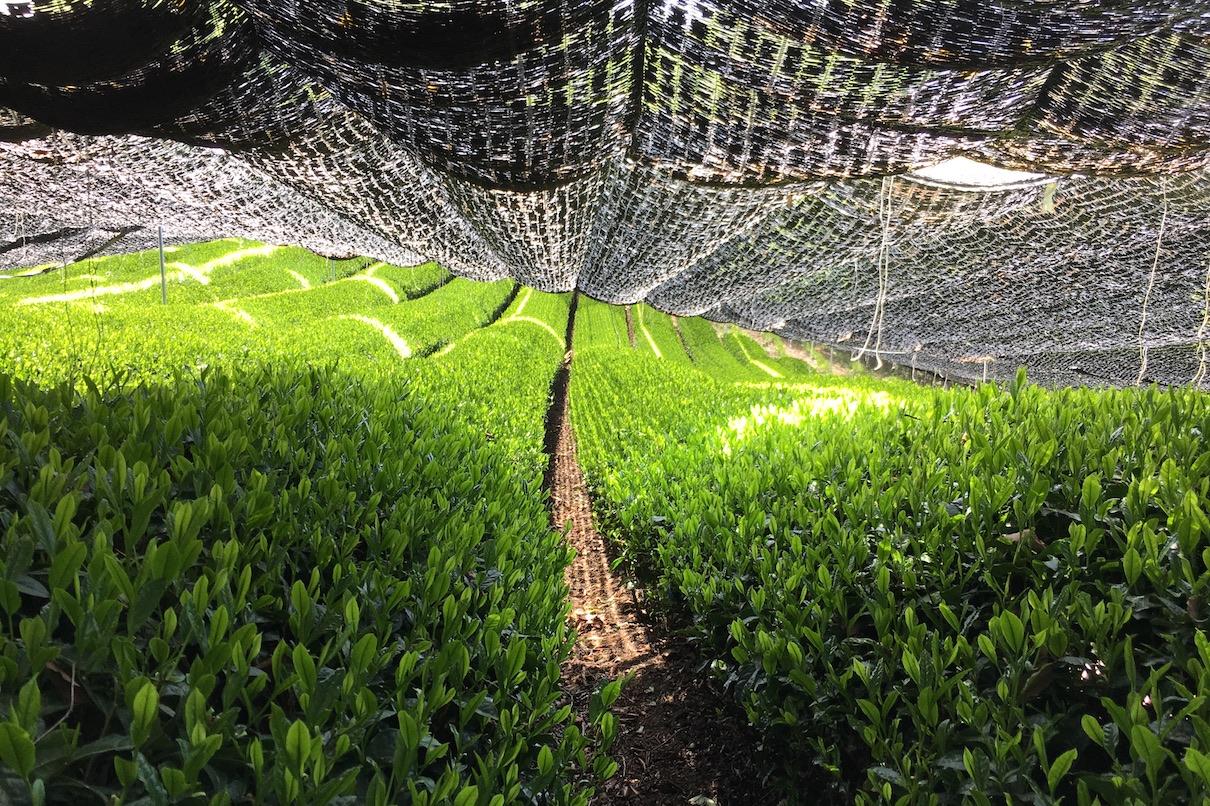
- 01ShadingBlack netting for fifteen to twenty days builds sweetness and color.
- 02Steam and dryA short steam, then staged drying near 130°C and 100°C.
- 03TenchaLeaves separated from stems become Tencha, Matcha's raw material.
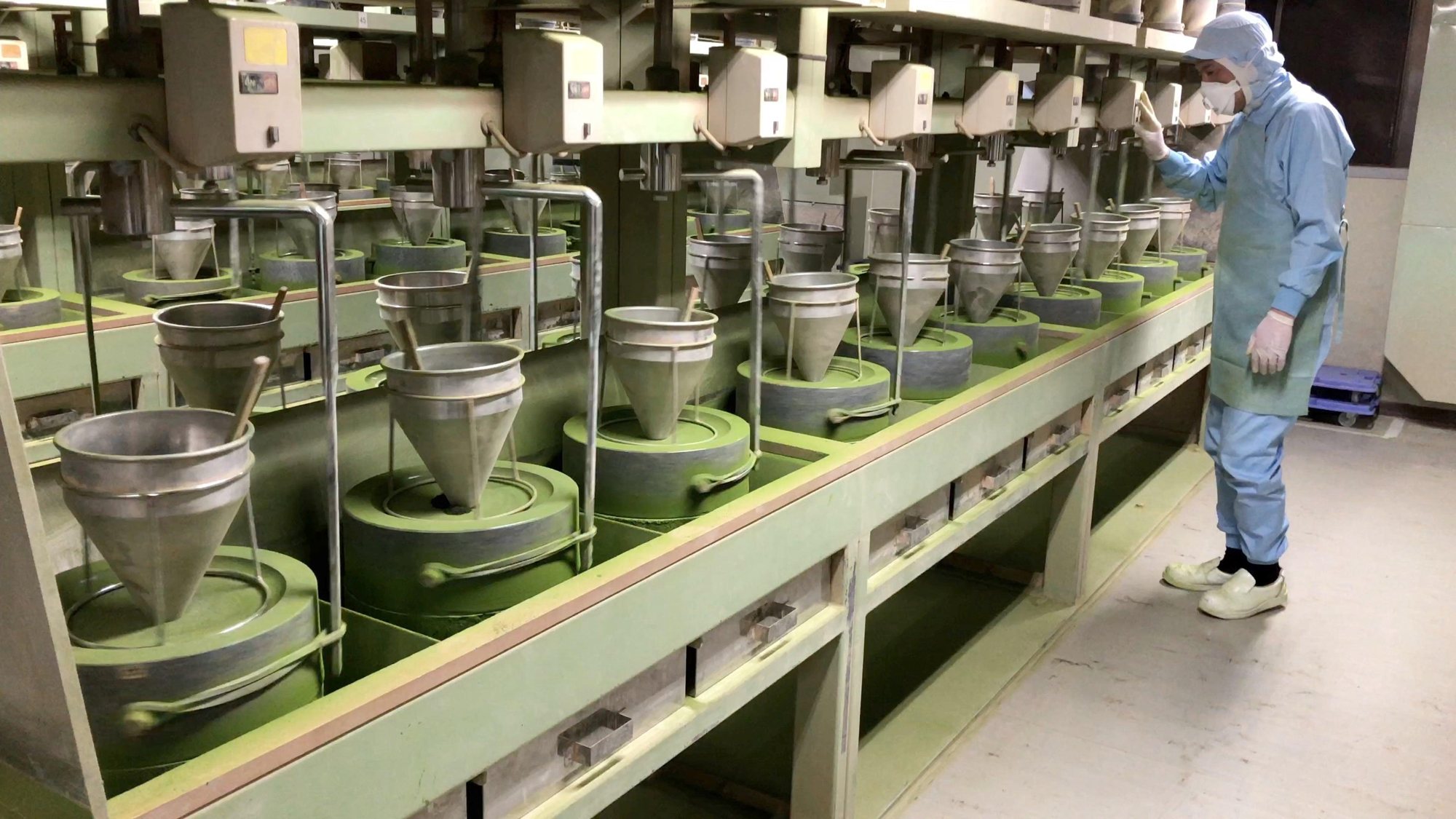
- 04GrindingMills grind to 10 to 15 microns, fine enough to suspend in water instead of steeping.
- 05Sealed and shippedQuality control, aluminum packaging, food-safety documentation.
On site
The farm and the factory.
Figures above are Satoen's public, company-reported statements or labeled calculations. They are not audited production figures, and not Openharvest projections. Nothing on this page is an offer of securities; the offering documents, when available, control every term.